
Learning the Language of Rest

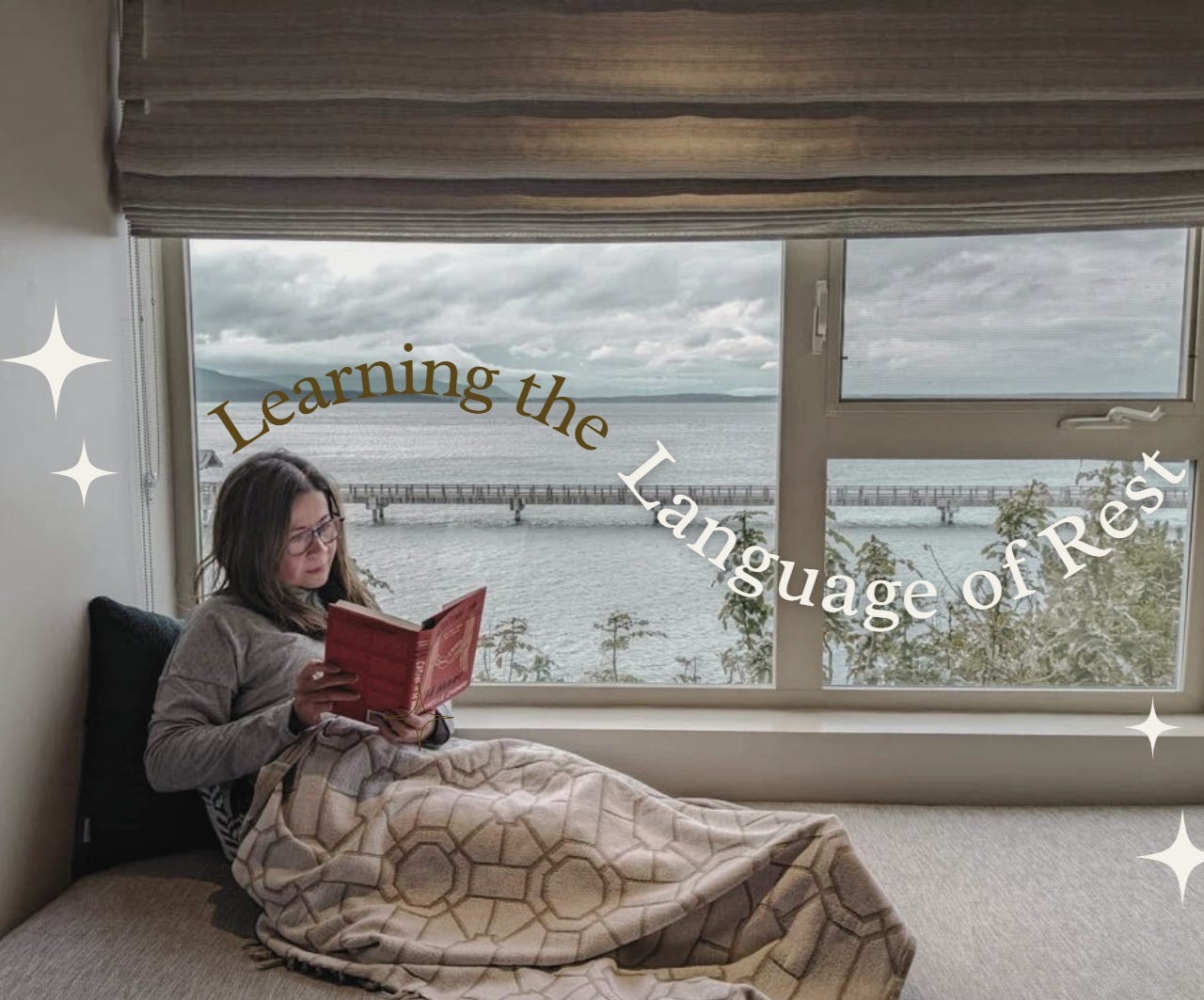
As humans, we use language to describe things we value. Language helps us express our desires, thoughts, needs, and beliefs. I find it interesting that different societies and cultures have developed language to describe practices and concepts of rest - such as niksen (Dutch), dolce far niente (Italian), siesta (Spanish), inemuri (Japanese), to name a few.
The English word 'holiday' originates from the Old English 'hāligdæg,' meaning 'holy day,' and initially only referred to religious observances. Its modern usage has broadened to include any day people are exempt from work. Through holidays and observances, we set aside days for groups of people to rest.
Across time and many different societies, humans have recognized the importance of rest. To rest is human.
My Rest Journey
I grew up with my dad taking a nap after lunch every day, or siesta in Spanish. Because of this, I felt free to nap. As a young parent, when my child napped, I also napped. My body just led me to sleep. Incidentally, I've passed on my napping genes to said child who's now a teenager.
Over the years, work and life have made napping - and any kind of regular rest practice - more difficult. With a work culture that values productivity, I have learned to attach value to what I produce. And I realized, no matter how efficient I become in producing, it's never enough. The demands of parenting while working outside the home also meant my time was not my own. Honestly, I just forgot my need for rest.
One summer, a personal crisis caused my gut to stop functioning properly. I had to go to urgent care three times that week, as the pain got progressively worse. Thankfully, the last visit finally helped. This unexpected incident helped me acknowledge the mind-body connection like never before. It was the wake-up call I needed to pay attention to my body and what needs to change in my life. When my brain forgot, my body reminded me that I'm human.
Shifting Values
Following that experience, I resolved to value my own well-being, which meant prioritizing rest. My values had to shift, though the world around me remained the same. I didn’t have much margin in my life, and had to let go of some things to make space.
I realized I didn’t know how to speak the language of rest. I was fluent in other languages (work, productivity, responsibility, etc.) – for they were spoken all around me and I have adopted them as my primary language. Just like any new language learner, I had to start with the basics. And as I learn, listen, speak, and practice some more, I get better and better at that language.
Prioritizing rest for my well-being requires intentionality and regularity. I have integrated regular practices of rest into my life. It's been almost five years since the incident, and so far, so good. My body's doing better, though I still have to watch what I eat or bad things happen. Not today, (full of gluten) sliced bread!
Rest is a life-long journey and core to my being human. Living in a fast-paced society and working in tech, I feel like I can easily forget my human needs. I'm glad that different societies, cultures, and languages are there to remind me. To rest is human.
What prevents you from rest?
#meaningfulrest #healthandwellness #rest #restcoach #sabbaticalconsulting #sabbaticals